
Digital devices have become an essential part of modern life, changing the way people communicate, learn, work, shop, travel, and entertain themselves. A digital device is an electronic tool that can receive, process, store, or share digital information. Smartphones, laptops, tablets, smartwatches, desktop computers, digital cameras, smart TVs, and gaming consoles are some of the most common examples. What makes digital devices so important is not simply their technology, but the way they have become connected to our everyday activities. For many people, a smartphone can work as a communication tool, camera, calendar, map, banking device, entertainment system, and learning platform all at once. This has made everyday tasks faster and more convenient than ever before.
Smartphones: The Device People Carry Everywhere
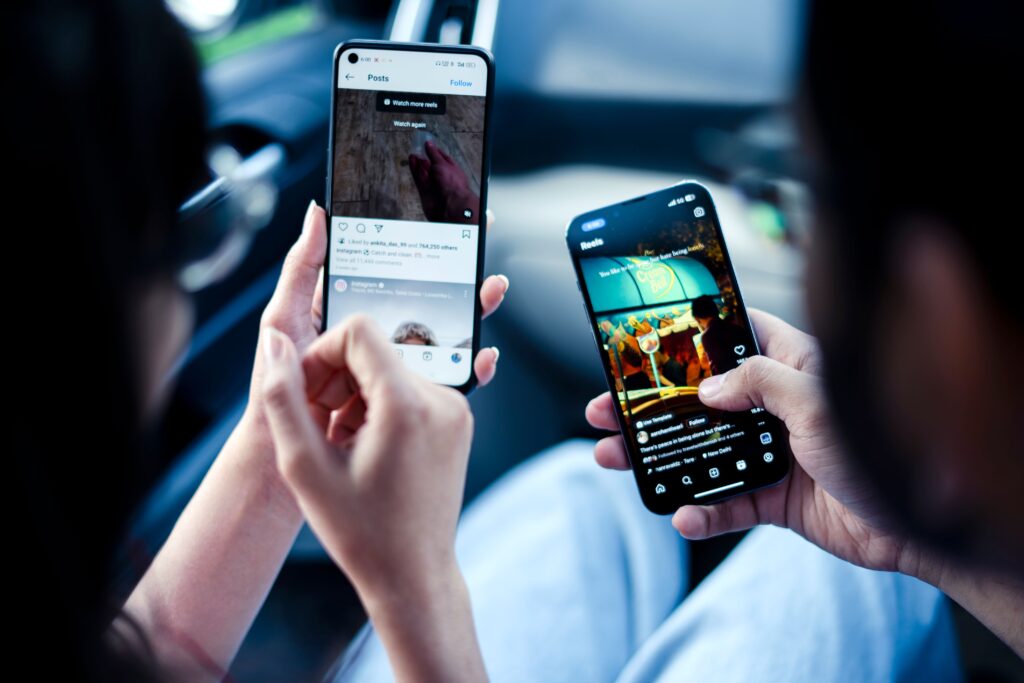
The smartphone is probably the most influential digital device in everyday life. People use smartphones to make calls, send messages, attend online meetings, take photographs, watch videos, use social media, make payments, order food, and navigate unfamiliar places. A single smartphone can replace several traditional devices, including a camera, calculator, alarm clock, music player, and even a physical map. This convenience is one reason smartphones have become so closely connected to modern lifestyles.
Computers and Laptops: Powering Work and Creativity
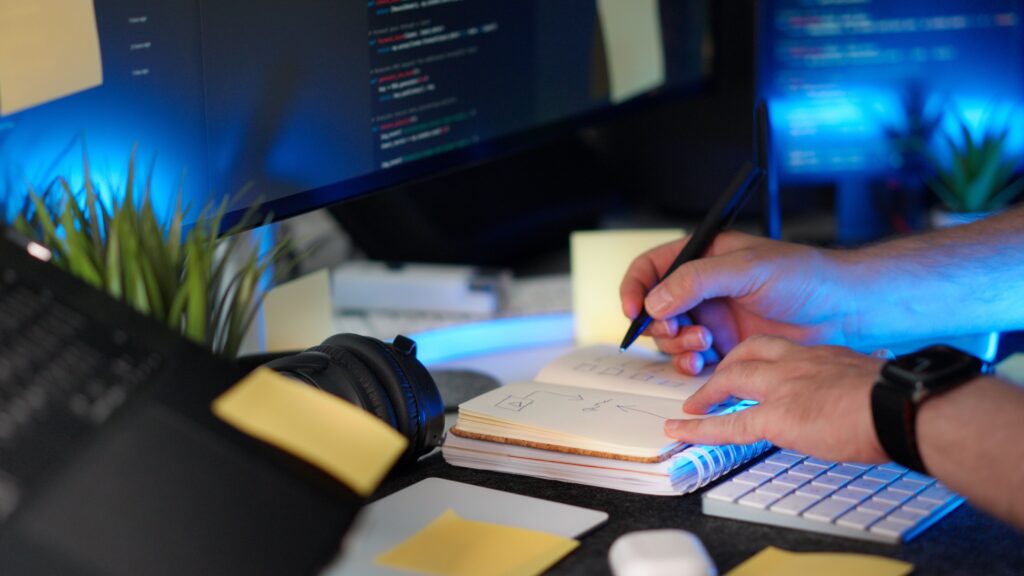
Computers and laptops are particularly important for education, business, freelancing, programming, graphic design, digital marketing, video editing, and many other professional activities. Students can research information, prepare assignments, attend virtual classes, and collaborate with classmates from different locations. Professionals can work remotely, manage projects, communicate with clients, and access important files without being physically present in an office. For creative workers, computers provide powerful tools for turning ideas into websites, designs, videos, presentations, and digital content.
Increased Creativity
Digital Devices Are Changing Education
Technology has completely changed the educational system. Students can now access online courses, digital books, educational videos, language-learning applications, virtual classrooms, and interactive learning platforms. Instead of depending only on printed textbooks, learners can explore information from different sources and study according to their own pace. Digital devices can also make difficult topics easier to understand through animations, demonstrations, images, and interactive exercises. However, technology works best when students use it as a learning tool rather than allowing entertainment and social media to constantly interrupt their studies.
- Online Learning — Students can attend classes and courses from anywhere.
- Easy Access to Information — Digital devices provide quick access to educational resources and research materials.
- Interactive Learning — Videos, animations, and presentations can make difficult topics easier to understand.
- Global Education — Students can learn from teachers, experts, and institutions around the world.
- Flexible Study — Learners can study at their own pace and review lessons whenever needed.
- Digital Assignments — Students can create, submit, and organize assignments electronically.
- Better Collaboration — Digital platforms allow students to work together even when they are in different locations.
Connecting People Across Borders
Digital devices have made communication almost instant. A person in Bangladesh can communicate with someone in the United Kingdom, Thailand, Dubai, or any other part of the world through messaging applications, video calls, email, and social platforms. Families living far apart can stay connected through video conversations, while businesses can communicate with international customers and teams. This ability to connect across geographical boundaries has made the world feel smaller and created new opportunities for education, employment, business, and cultural exchange.
Digital Devices and Modern Careers
Digital devices have completely changed the modern workplace and created career opportunities that were difficult to imagine in the past. Today, a laptop, smartphone, or tablet can be enough for many people to learn professional skills, communicate with clients, manage projects, and even build a career from home. Traditional office work is no longer the only path to professional success. With a reliable digital device and an internet connection, people can work with companies and clients from different cities or even different countries.
One of the biggest changes can be seen in freelancing and remote work. Professionals can provide services such as digital marketing, social media management, content writing, graphic design, web development, video editing, and virtual assistance without working in a traditional office. Freelancing platforms and online communication tools allow workers to communicate with clients, share files, attend meetings, and complete projects digitally.
Digital devices have also created opportunities for online businesses and entrepreneurs. A small business owner can use a smartphone to photograph products, create promotional content, communicate with customers, manage social media pages, and receive online orders. Instead of depending entirely on a physical store, businesses can reach customers through websites, social media, and e-commerce platforms.
For students and beginners, digital devices provide another important advantage: skill development. People can learn new skills through online courses, tutorials, webinars, and educational platforms. Someone interested in digital marketing, for example, can learn about social media marketing, advertising, content creation, analytics, and other skills using a laptop or smartphone.
Digital technology has therefore made careers more flexible, connected, and accessible. However, success still depends on learning useful skills, maintaining professionalism, communicating effectively, and continuously adapting to new technology. Digital devices provide the tools, but human creativity, knowledge, discipline, and problem-solving ability determine how effectively those tools are used.
Making Everyday Life More Convenient
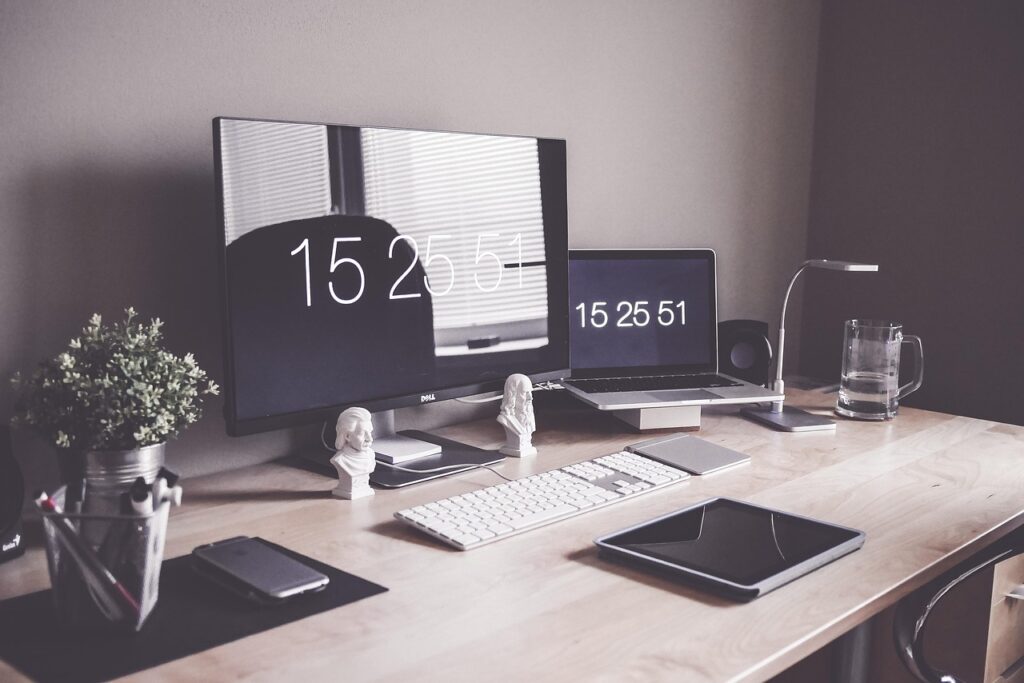
Digital devices are not limited to work and education. They have also changed ordinary household activities. Smart TVs provide access to streaming platforms, smartwatches can display notifications and track daily activities, and smart home devices can help people control lights, appliances, security systems, and other equipment. Digital payment systems have also reduced the need to carry cash for many everyday purchases. These developments show how technology is gradually becoming part of the background of everyday life. The Hidden Challenges of Digital Devices
Although digital devices offer many benefits, excessive use can create problems. Spending too much time on screens may reduce physical activity, interrupt sleep, and make it harder for people to concentrate on important tasks. Constant notifications can also encourage people to check their devices repeatedly instead of focusing on the present moment. Privacy and cybersecurity are additional concerns because personal information can be exposed when people use unsafe websites, weak passwords, or suspicious applications. Responsible use is therefore just as important as having access to technology.
The Hidden Challenges of Digital Devices
Although digital devices offer many benefits, excessive use can create problems. Spending too much time on screens may reduce physical activity, interrupt sleep, and make it harder for people to concentrate on important tasks. Constant notifications can also encourage people to check their devices repeatedly instead of focusing on the present moment. Privacy and cybersecurity are additional concerns because personal information can be exposed when people use unsafe websites, weak passwords, or suspicious applications. Responsible use is therefore just as important as having access to technology.
Digital Responsibility Matters
Using digital devices responsibly means understanding how to protect personal information and maintain healthy technology habits. Strong passwords, two-factor authentication, software updates, careful downloading, and avoiding suspicious links can improve digital security. People should also create boundaries around screen time and make space for sleep, exercise, face-to-face communication, and offline activities. Digital devices should support our lives rather than completely control them.
- Use Strong Passwords — Create unique and difficult-to-guess passwords for important accounts.
- Enable Two-Factor Authentication — Add an extra layer of security to protect your accounts.
- Avoid Suspicious Links — Never click unknown links or download files from untrusted sources.
- Protect Personal Information — Be careful when sharing your phone number, address, passwords, photos, or financial information online.
- Control Screen Time — Take regular breaks and avoid excessive use of digital devices.
- Think Before You Share — Consider whether online posts, comments, or photos could create problems later.
- Keep Devices Updated — Regular software and security updates can help protect devices from threats.
- Use Trusted Websites and Apps — Download applications and access services from reliable sources.
- Respect Others Online — Communicate politely and avoid cyberbullying, harassment, or spreading harmful content.
- Balance Digital and Real Life — Technology should support everyday life without replacing sleep, exercise, relationships, and real-world experiences.
The Future of Digital Devices
Digital devices are becoming increasingly intelligent and connected. Artificial intelligence, voice assistants, wearable technology, smart homes, and connected devices are already changing the way people interact with technology. Future devices may become more personalized, efficient, and capable of understanding users’ needs. At the same time, society will need to consider important questions about privacy, security, responsible AI use, and the balance between technology and human interaction.
Conclusion
Digital devices have transformed modern life by making communication faster, information more accessible, work more flexible, and everyday activities more convenient. From a smartphone in someone’s hand to a laptop powering a global business, digital technology now plays a role in almost every area of life. However, the real value of digital devices depends on how people use them. When used thoughtfully, safely, and responsibly, they can provide powerful opportunities for learning, creativity, communication, career development, and personal growth. The goal should not be to avoid technology, but to use it wisely while keeping human relationships, health, privacy, and real-world experiences equally important.